- Languages
- Python, TypeScript and Node.js, Rust with Anchor and WASM, C++ for Unreal, Kotlin, GDScript, SQL, plain JavaScript and Canvas.
- AI engineering
- Claude Code, multi-model orchestration (Claude, Grok, Gemini, Veo), MCP servers, agent risk-gating (preview, then execute), prompt-injection hardening, editor-model firewalls, vision models.
- Solana and on-chain
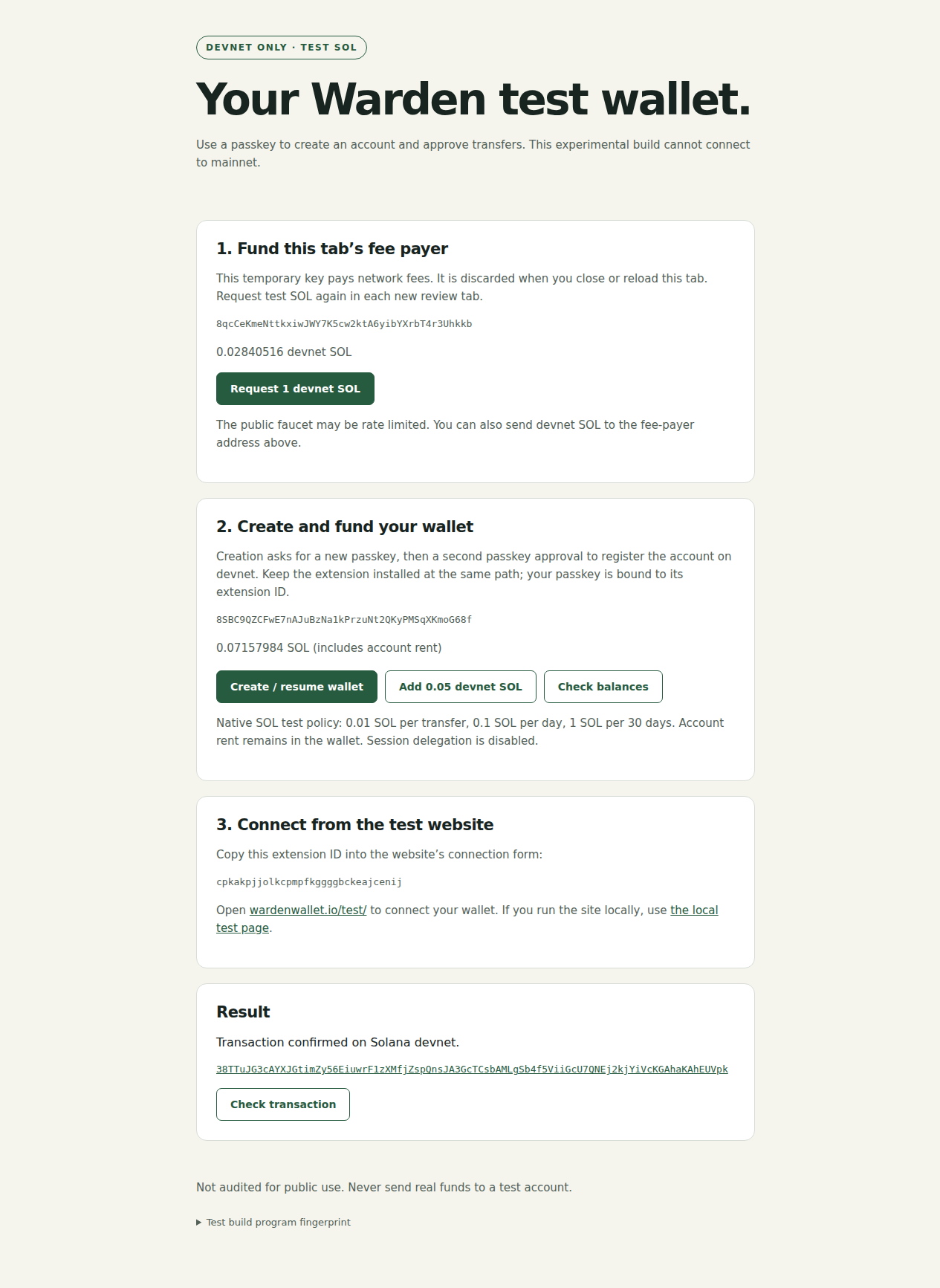
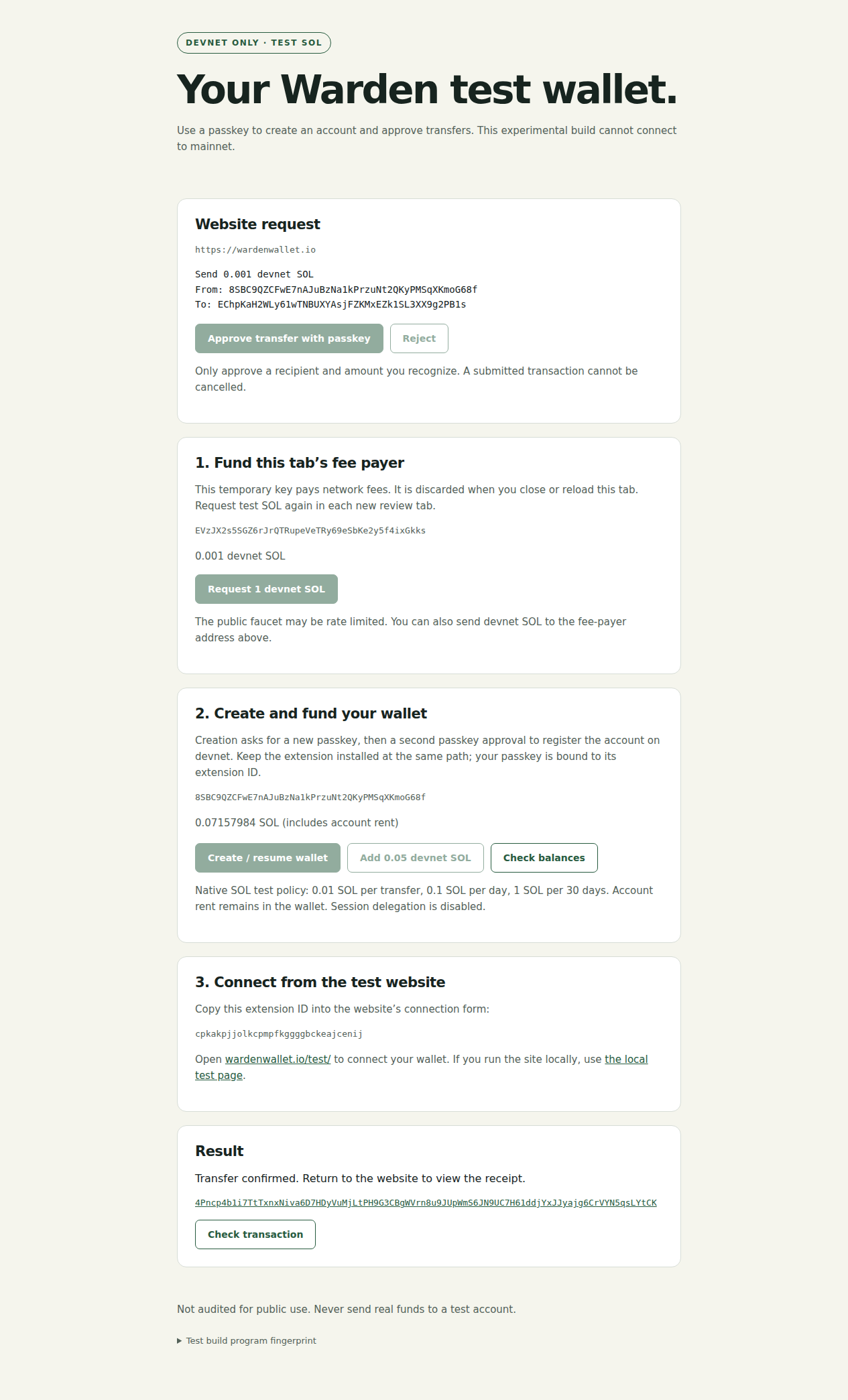
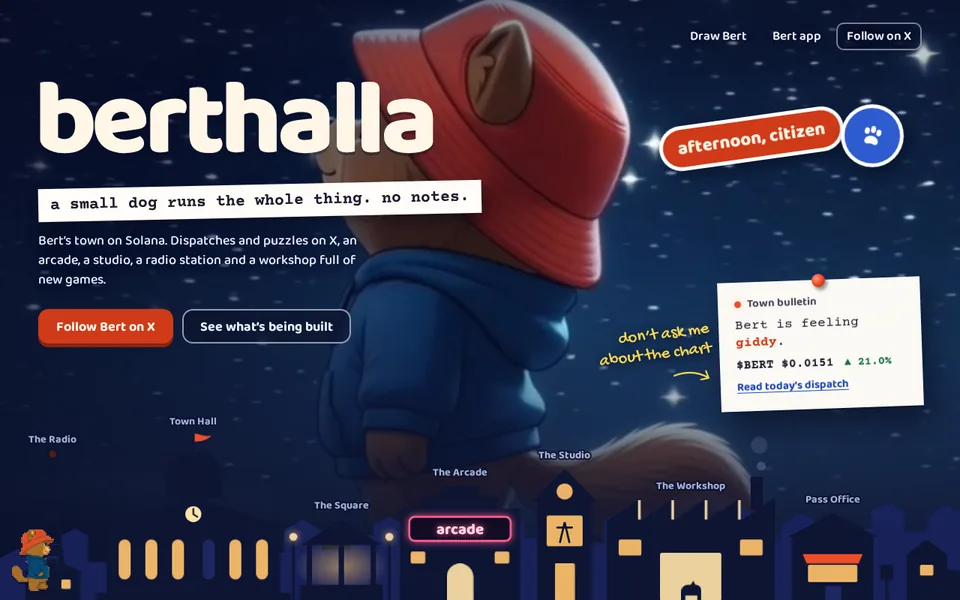
- Smart accounts, P-256 passkeys and WebAuthn, Anchor, Wallet Standard, Jupiter routing, Jito bundles, Meteora DLMM, Raydium CLMM, MPL Core, on-chain payment watchers.
- Markets and research statistics
- Polymarket CLOB, Hyperliquid perps, order-book and funding data, FIFO cost basis, preregistration and power analysis, block bootstrap, Holm correction, deflated Sharpe, purged cross-validation, Brier calibration.
- Backend and full stack
- PostgreSQL, SQLAlchemy and Alembic, FastAPI, asyncpg, Redis, React, Next.js, nginx, systemd.
- Games and apps
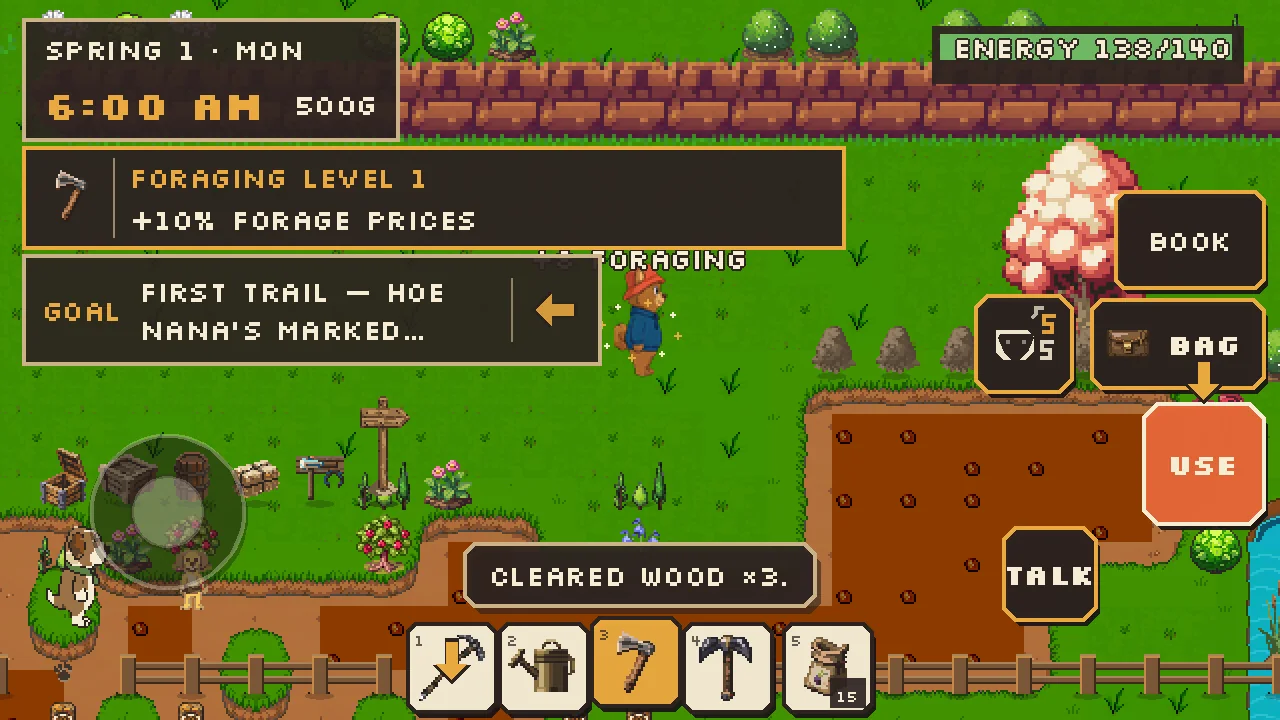
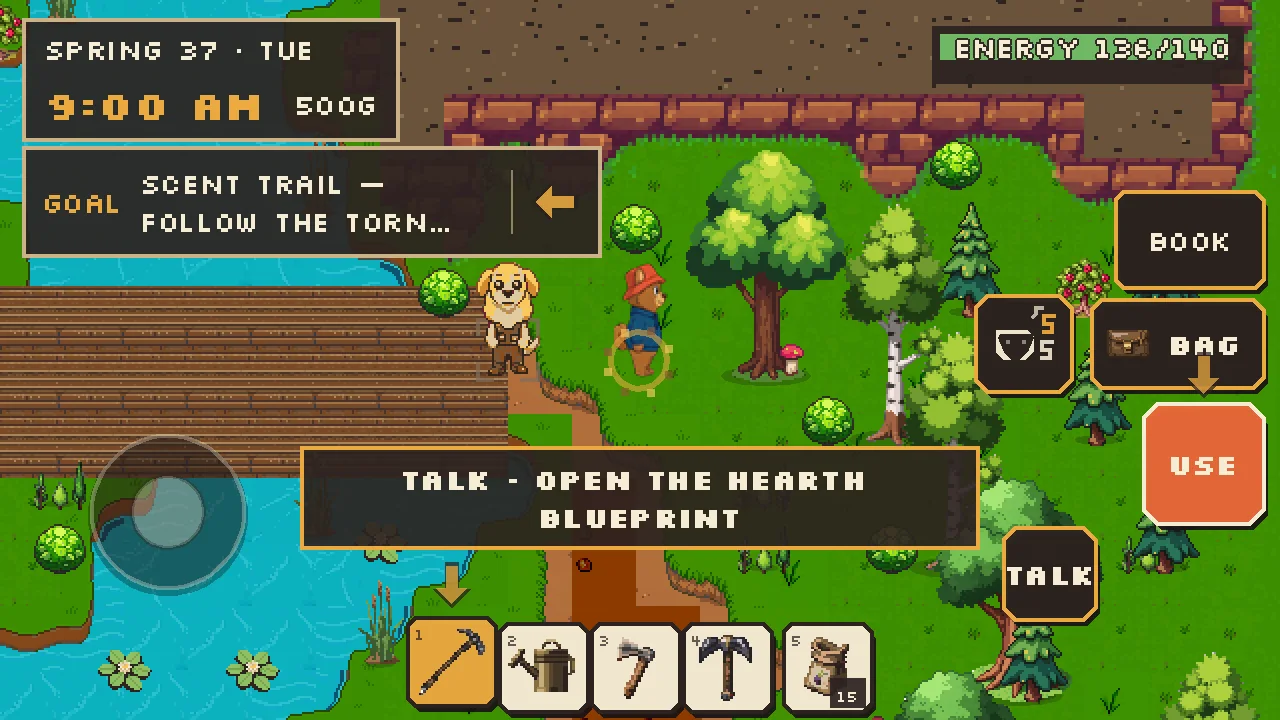
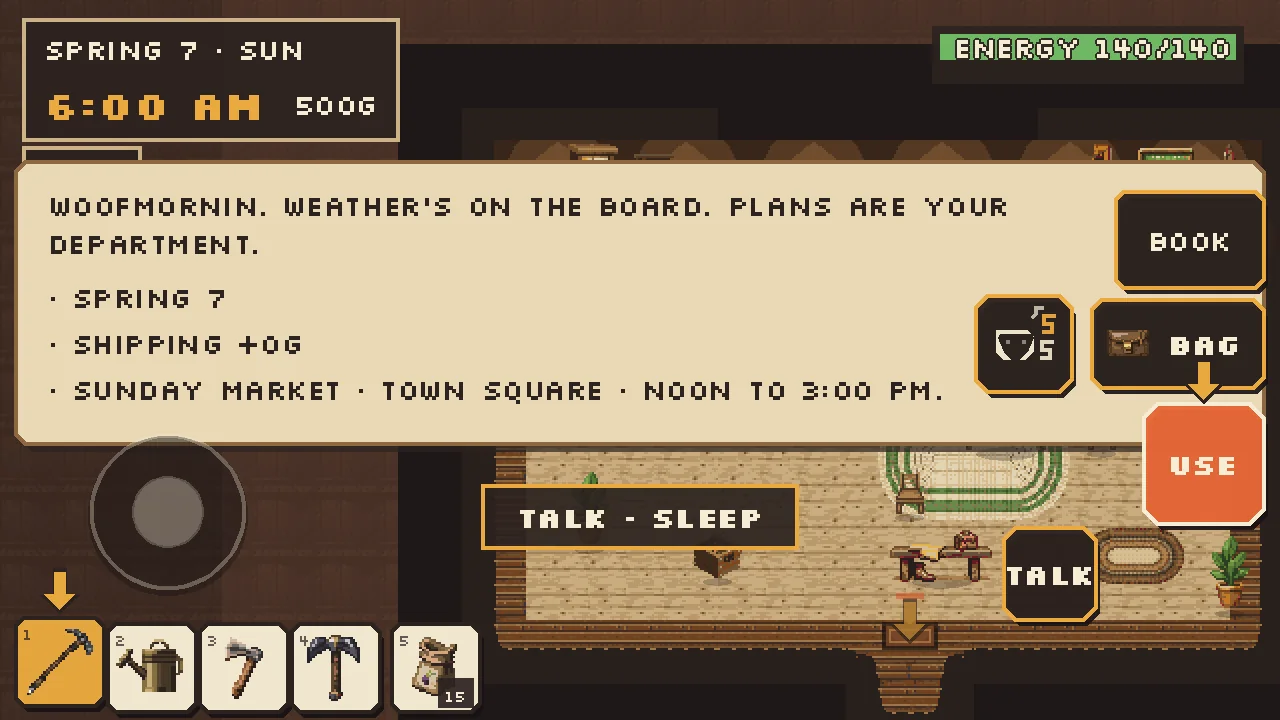
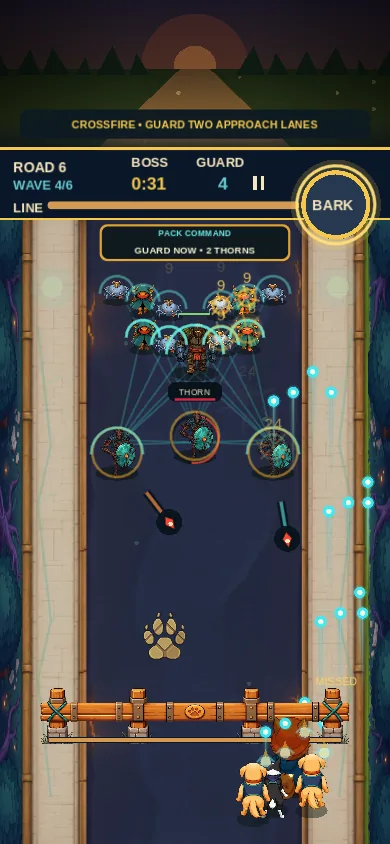
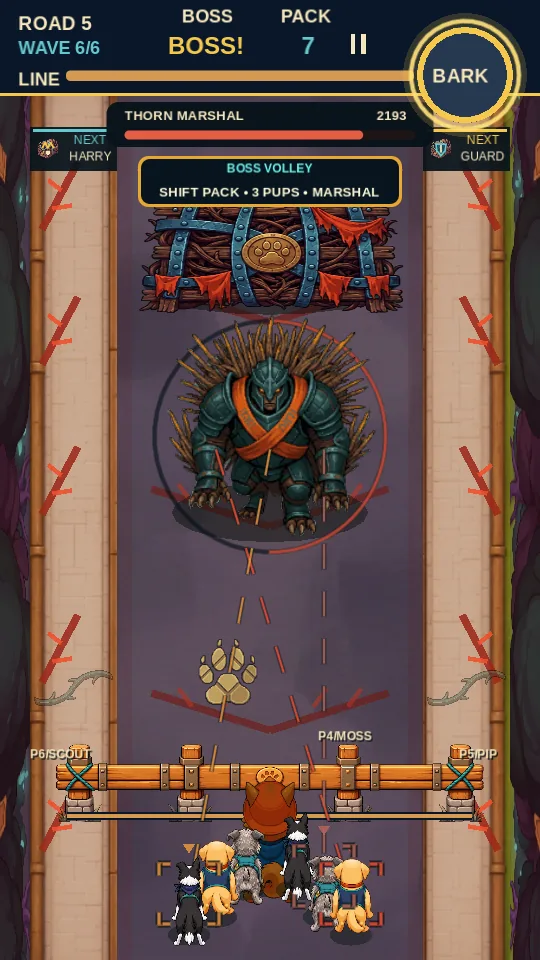
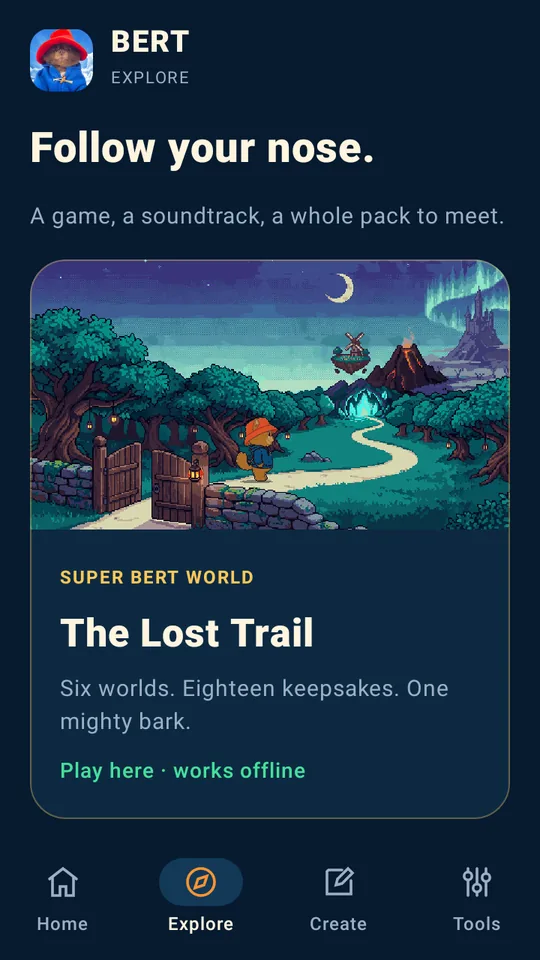
- Godot for Android, Unreal Engine 5.8, Colyseus authoritative servers, Babylon.js, Phaser, from-scratch Canvas engines, Web Audio chiptune, Jetpack Glance widgets, pixel-art pipelines.
- Workflow
- Spec, plan, build; subagent-driven test-first development; second-model and adversarial review; executable release gates; decision ledgers in the repo.